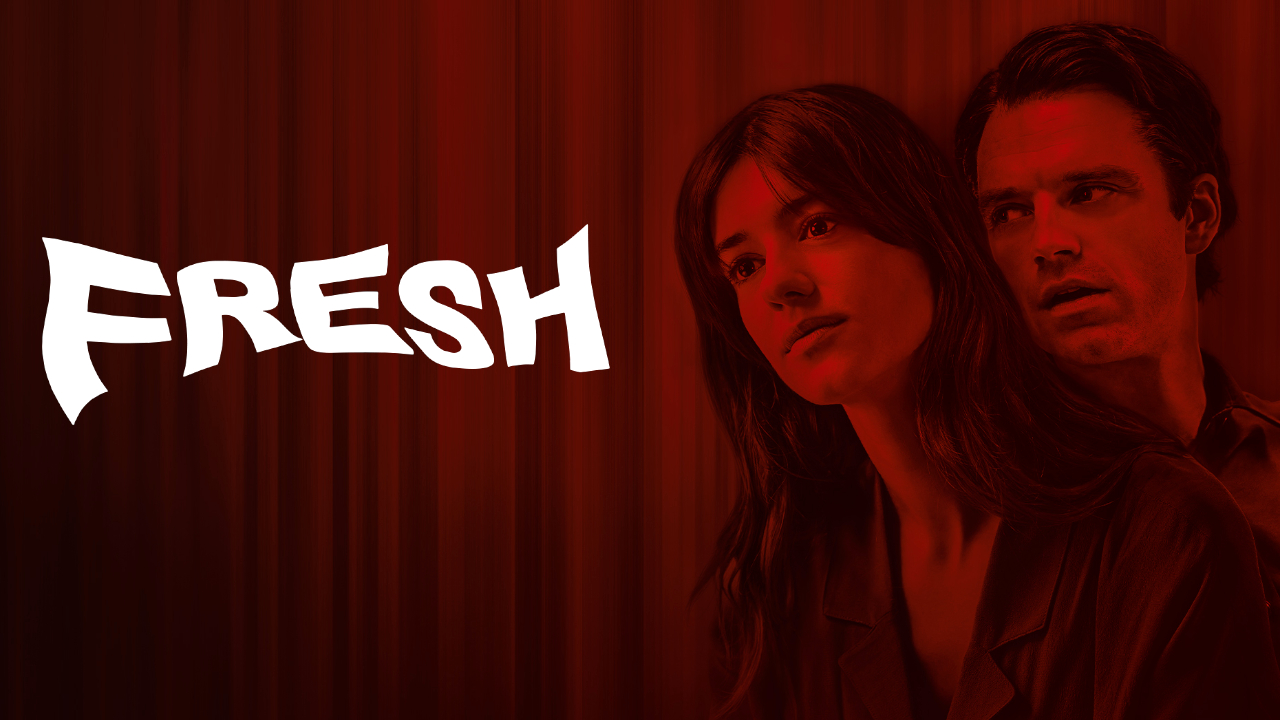
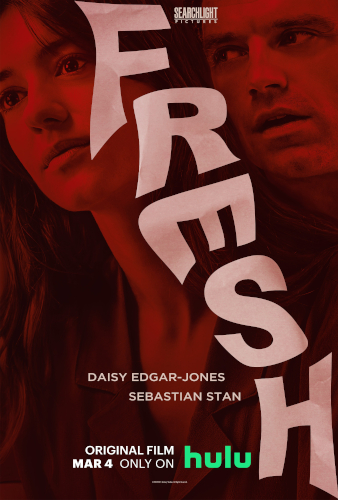
 Fresh is a 2022 psychological horror movie filled with dread and dark surprises. Horror Brains dives deep into its shadows, breaking down what works, what fails, and delivering a final verdict.
Intro
Modern dating has always carried an undercurrent of risk, but Fresh sharpens that unease into something far more disturbing. What begins as a familiar cycle of awkward encounters and empty connections quickly mutates into a controlled nightmare where charm masks something predatory. Horror Brains treats this one as more than a clever hook, digging into how easily trust can be exploited when vulnerability is placed in the wrong hands. Beneath its sleek presentation lies a calculated descent into manipulation, consumption, and power, where every interaction feels deliberate. It is not simply about survival, but about recognizing the illusion before it fully closes in, trapping its victims inside a system built to consume them piece by piece.
Plot in Brief
A young woman meets a charming stranger who offers an escape from disappointing dates. Their connection deepens, but a secluded trip reveals a horrifying truth, trapping her inside a system built on exploitation, control, and human consumption.
What Works
A fearless blend of genres. Fresh thrives on its ability to pivot without warning, sliding from romantic discomfort into psychological horror with unsettling precision. It weaponizes familiar dating tropes, luring both characters and audience into a false sense of security before revealing something far darker. The transition never feels rushed, instead unfolding with careful control, allowing dread to build naturally and making the shift from intimacy to terror feel disturbingly believable.
Performances that cut deep. Sebastian Stan delivers a performance that blends charisma and menace with calculated ease, turning charm into a weapon that disarms before it strikes. Daisy Edgar-Jones carries the emotional core, shifting from vulnerability to resistance in a way that feels earned rather than forced. Jojo T. Gibbs adds grounded intensity, reinforcing the stakes and ensuring the narrative never loses its human edge amid the escalating horror.
Atmosphere so thick it drips. The film constructs a suffocating environment where control is absolute and escape feels increasingly distant. Clean, almost clinical visuals contrast with the brutality beneath, creating a chilling disconnect that lingers in every frame. Silence and restraint replace chaos, allowing tension to stretch and settle. Every confined space feels intentional, designed not just to hold bodies, but to break them psychologically over time.
Themes that resonate. At its core, Fresh dissects power imbalance within modern relationships, turning emotional vulnerability into a literal commodity. Trust becomes transactional, intimacy becomes leverage, and control becomes survival. Horror Brains recognizes how effectively these ideas mirror real anxieties, amplifying them into something grotesque without losing their foundation. The horror works because it feels plausible, grounded in behaviors that already exist beneath the surface.
Cultural depth. The film taps directly into contemporary dating culture, where curated identities and surface-level charm often hide deeper intentions. It reflects a world driven by convenience, detachment, and disposability, exposing how easily people become interchangeable. This cultural layer adds weight, elevating the narrative beyond shock value and turning it into a pointed reflection of modern interactions and the dangers embedded within them.
What Fails
Pacing in the middle act. Once the central reveal lands, the film struggles to sustain the same level of momentum. The narrative settles into a slower rhythm that weakens the urgency established early on. Repetition begins to creep in, stretching moments that should escalate. While the controlled pacing initially builds tension, it eventually starts to work against the film, dulling the impact of its strongest ideas.
Accessibility for casual viewers. The film’s deliberate pacing and tonal approach may not resonate with viewers expecting a more conventional horror experience. Its blend of satire, discomfort, and restraint requires patience and engagement, which can limit broader appeal. Those looking for constant intensity or straightforward thrills may find themselves disconnected from its more controlled, psychologically driven approach.
Uneven tone at times. Fresh occasionally wavers between dark humor and outright horror, creating moments where the balance feels slightly misaligned. While the contrast is intentional, it does not always land with precision, leading to brief tonal disconnects. These shifts can momentarily pull the viewer out of the experience, preventing the film from maintaining a completely seamless and unified identity.
Final Verdict
Fresh stands as a sharp, unsettling piece that thrives on concept, performance, and atmosphere, even when its structure shows strain. It understands the horror of control and exploitation, building a world that feels both distant and uncomfortably familiar. Horror Brains views it as a film driven by ideas that linger, rather than flawless execution. It may not fully capitalize on every opportunity, but what it delivers is memorable, disturbing, and relevant. A calculated descent that leaves a mark through its themes and performances, even as certain elements fall short of their full potential.
Horror Brains Score