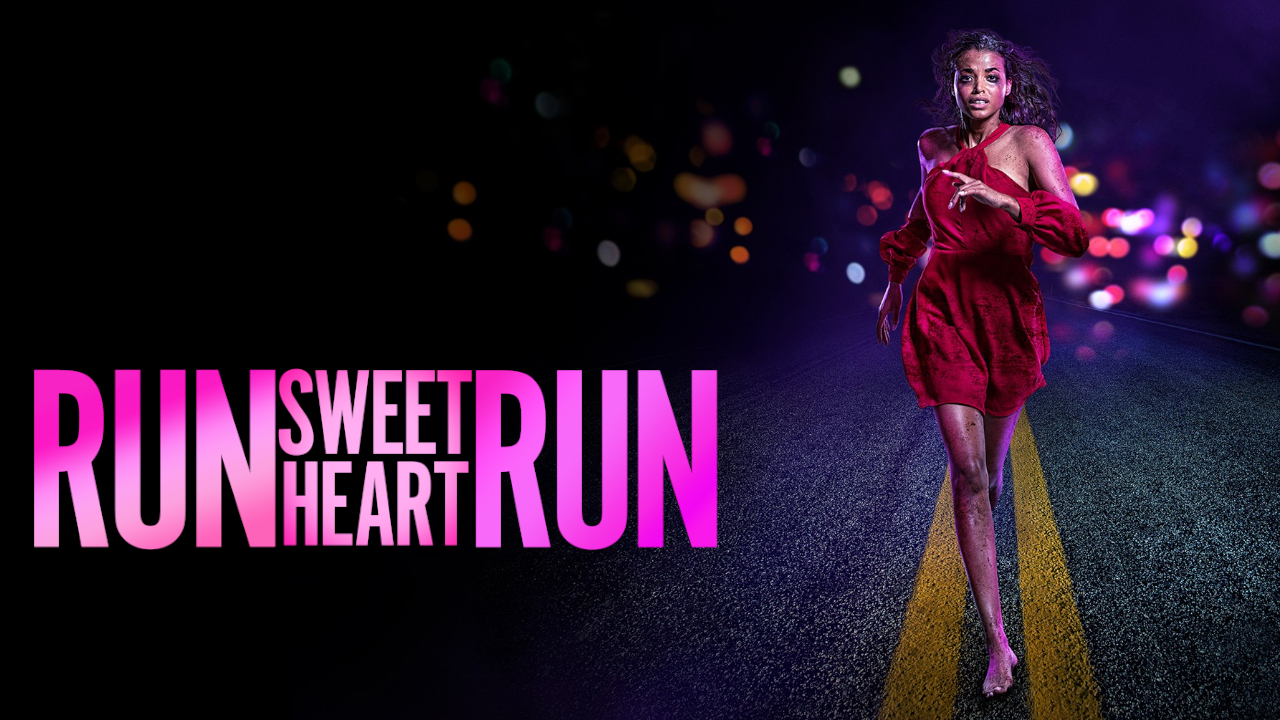
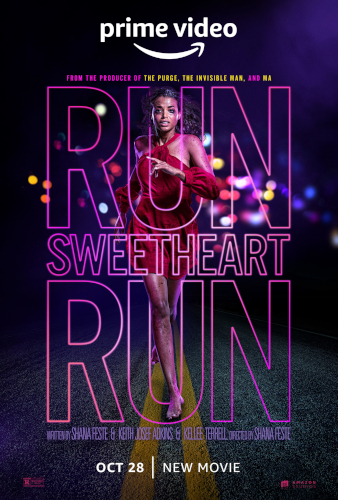
 Run Sweetheart Run is a 2020 supernatural horror movie filled with dread and dark surprises. Horror Brains dives deep into its shadows, breaking down what works, what fails, and delivering a final verdict.
Intro
Predators wear many faces, but the most dangerous ones smile first. Run Sweetheart Run throws its heroine into a nightmare disguised as opportunity, then strips away every illusion of safety as the night turns into a relentless hunt. What begins as a promising evening spirals into a brutal endurance test where survival depends on instinct, resilience, and the refusal to surrender. The story moves with the pulse of urban paranoia, presenting a city that feels less like a refuge and more like a maze built to trap the vulnerable. Horror Brains approaches this dark chase as a story of fear, power, and survival where the monster is both literal and symbolic.
Plot in Brief
A young mother accepts a professional dinner meeting that turns violently dangerous when her date reveals monstrous intentions. Injured and desperate, she flees across a hostile city while uncovering disturbing truths about her relentless supernatural pursuer.
What Works
A fearless blend of genres. Run Sweetheart Run thrives on its refusal to stay inside one lane. The story blends survival horror, psychological thriller, and mythological nightmare into a single relentless pursuit. The structure feels almost like a dark fairy tale filtered through modern urban fear, where ancient evil walks among glass towers and neon streets. This fusion keeps the narrative unpredictable, shifting between grounded terror and supernatural revelation without ever fully settling into comfort.
Performances that cut deep. Ella Balinska carries the film with a performance built on exhaustion, fear, and determination. Every injury and desperate decision feels earned through physical acting rather than dialogue alone. Pilou Asbæk delivers a predator who balances charm and cruelty with unsettling ease, creating a villain whose calm confidence becomes more disturbing than his violence. The supporting cast reinforces the sense that everyone exists within a larger system of control, whether they recognize it or not.
Atmosphere so thick it drips. The film builds tension through contrast. Bright city lights fail to provide safety, turning familiar streets into hunting grounds. Darkness does not always hide danger here; sometimes danger stands fully visible, smiling under fluorescent light. The sound design reinforces vulnerability through pounding footsteps, distant sirens, and moments of suffocating silence. Every location feels temporary, every refuge fragile, creating a constant sense of instability that fuels the chase.
Themes that resonate. Beneath the physical horror sits a story about power imbalance and survival in systems designed to ignore suffering. The narrative explores how predators operate not only through violence but through influence and reputation. The heroine’s struggle becomes more than escape; it becomes a confrontation with structures that protect monsters while questioning victims. Horror Brains recognizes this layer as the story’s sharpest weapon, transforming a simple chase into something socially charged and emotionally grounded.
Cultural depth. The story pulls from mythological ideas about ancient predators walking among humanity, suggesting horror older than modern civilization. This gives the conflict weight beyond a single night of terror. Gender dynamics also play a major role, presenting survival not as random chance but as a reflection of lived fears. The cultural ideas never fully overpower the horror framework, but they give the narrative a backbone that elevates it beyond a standard cat and mouse structure.
What Fails
Pacing in the middle act. While the opening and closing sections move with purpose, the middle portion occasionally loses momentum through repetition. The chase sometimes circles similar beats without escalating the danger in meaningful ways. Encounters that should deepen the mythology instead delay progression, causing the tension to flatten slightly before the story regains its footing. A tighter structure could have maintained the urgency established early on.
Accessibility for casual viewers. The film leans heavily into metaphor and allegory, sometimes at the expense of clarity. Viewers seeking straightforward horror may find the symbolic elements distracting rather than enriching. Certain revelations rely more on implication than explanation, which strengthens thematic depth but risks alienating audiences looking for clear rules behind the supernatural threat. This balance between message and entertainment does not always land smoothly.
Uneven tone at times. The film occasionally struggles to balance its grounded brutality with its mythological ambitions. Some moments feel raw and realistic while others lean toward heightened symbolism, creating tonal shifts that may feel abrupt. The ambition deserves respect, but the transitions between these modes sometimes feel less like deliberate contrast and more like competing visions sharing the same screen.
Final Verdict
Run Sweetheart Run stands as a fierce but imperfect entry in modern horror, powered by a committed lead performance and an ambitious thematic core. Its strongest moments come when fear feels immediate and physical, when survival depends on movement, instinct, and sheer will. Its weaker moments appear when ideas begin to outweigh momentum. Still, the film delivers enough tension, atmosphere, and conceptual bite to remain memorable. Horror Brains recognizes it as a story that may stumble in execution but refuses to play it safe, choosing bold swings over empty familiarity. That alone makes it worth the chase.
Horror Brains Score