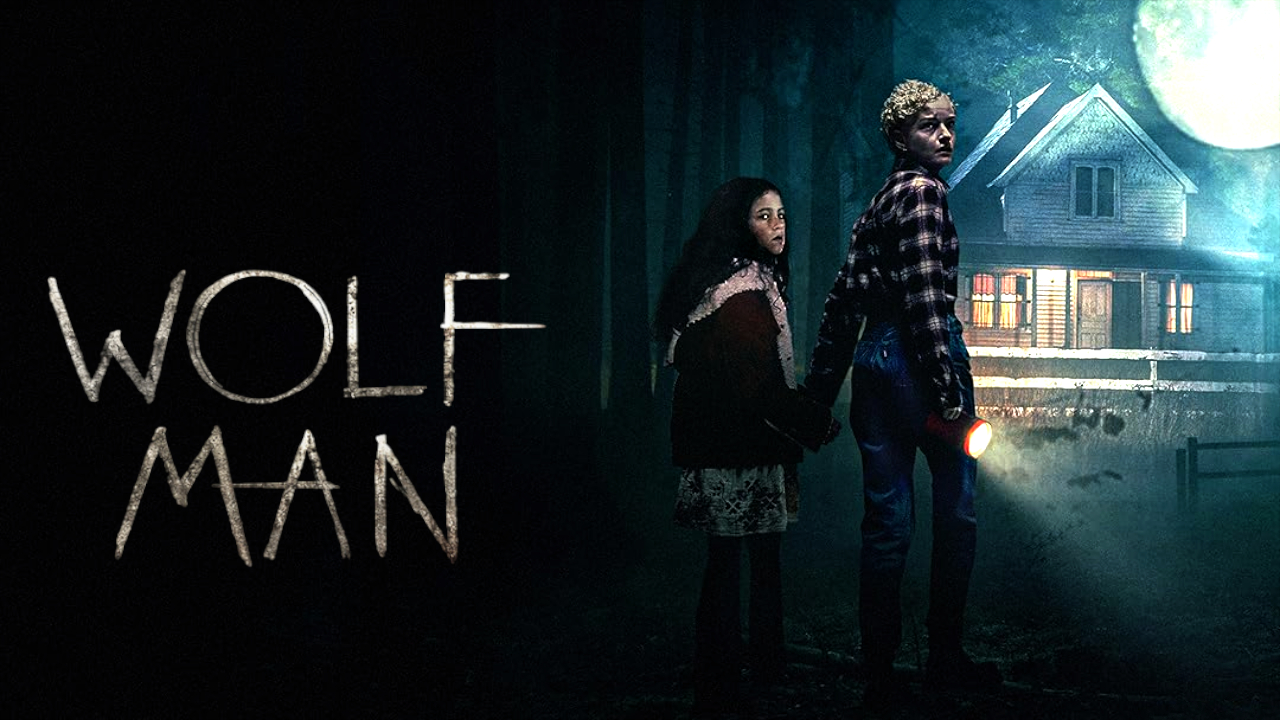
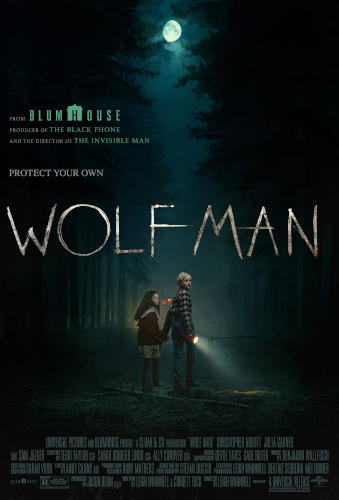
 Wolf Man is a 2025 werewolf horror movie filled with dread and dark surprises. Horror Brains dives deep into its shadows, breaking down what works, what fails, and delivering a final verdict.
Intro
There’s a primal fear buried deep in the idea of losing control to something animalistic. Wolf Man builds its foundation on that fear, aiming to strip the werewolf myth down to something more intimate and grounded. At Horror Brains, creature-driven horror thrives on transformation—both physical and emotional—and this film approaches that transformation with restraint rather than spectacle. What unfolds is less about chaos and more about slow deterioration, where tension is meant to simmer rather than explode. It’s a deliberate approach, one that favors atmosphere over intensity. But in doing so, the film risks holding back too much, leaving its core concept feeling restrained when it should feel feral. The result is a horror experience that values subtle unease over relentless aggression, even if that choice ultimately limits its emotional and dramatic impact.
Plot in Brief
A man retreats to a remote location with his family, only to begin experiencing a disturbing transformation. As his condition worsens, the threat within him grows, turning survival into a desperate struggle against something uncontrollable.
What Works
A fearless blend of genres. The film leans into psychological horror while maintaining its werewolf identity, focusing more on internal collapse than external violence. This approach gives it a different tone from traditional creature features, emphasizing dread and inevitability over spectacle. While not fully realized, the intent behind the blend is clear.
Performances that cut deep. Christopher Abbott delivers a controlled performance that captures gradual transformation without overplaying it. Julia Garner adds emotional weight, grounding the story in a sense of urgency and concern. The performances remain consistent, even when the script doesn’t fully support the emotional depth they aim to convey.
Atmosphere so thick it drips. The film creates a cold, isolated environment that enhances its sense of unease. The quiet surroundings and limited setting contribute to a slow-building tension. Horror Brains values atmosphere as a key driver, and here, it’s one of the film’s strongest elements, even when the narrative struggles to match it.
Themes that resonate. The loss of control and fear of harming those closest sit at the center of the story. The film explores transformation as something tragic rather than monstrous, using the werewolf curse as a metaphor for isolation, vulnerability, and the collapse of identity. While these ideas are consistently present, they remain largely surface-level, never evolving into the emotionally devastating exploration they promise during the opening act.
Cultural depth. Drawing from classic werewolf mythology, the film attempts to reinterpret the concept through a more grounded and emotionally driven lens. Instead of embracing folklore or grand mythology, it focuses on the personal consequences of transformation. That choice gives the story a distinct identity, but it also distances itself from many of the genre’s defining traditions. The respect for the source material is evident, even if the reinterpretation rarely feels bold enough to leave a lasting mark.
What Fails
Pacing in the middle act. The film’s restrained approach slows its momentum significantly. The middle section lingers without clear escalation, causing tension to plateau. Instead of building toward something explosive, it feels stretched, making the experience less engaging as it progresses.
Accessibility for casual viewers. Viewers expecting a more traditional werewolf experience may find the film underwhelming. Its focus on subtlety over action limits its appeal, especially for those looking for more visible transformation or intensity. The restrained approach may feel like a lack of payoff.
Uneven tone at times. The film struggles to balance its grounded, emotional approach with its creature elements. At times it feels like a character-driven drama, while other moments attempt to introduce horror without fully committing. This inconsistency creates a tone that feels uncertain rather than controlled.
Final Verdict
Wolf Man approaches its concept with restraint, aiming for something more grounded than traditional werewolf horror. It delivers moments of atmosphere, confident performances, and a thoughtful interpretation of a familiar monster, but it never fully commits to the intensity its premise demands. Horror Brains recognizes the ambition behind its quieter approach, yet ambition alone cannot replace momentum or payoff. Without stronger escalation or a more memorable final act, the experience remains emotionally distant. There is a solid foundation beneath the surface, but this version of the legend ultimately feels too restrained to unleash its full potential.
Horror Brains Score