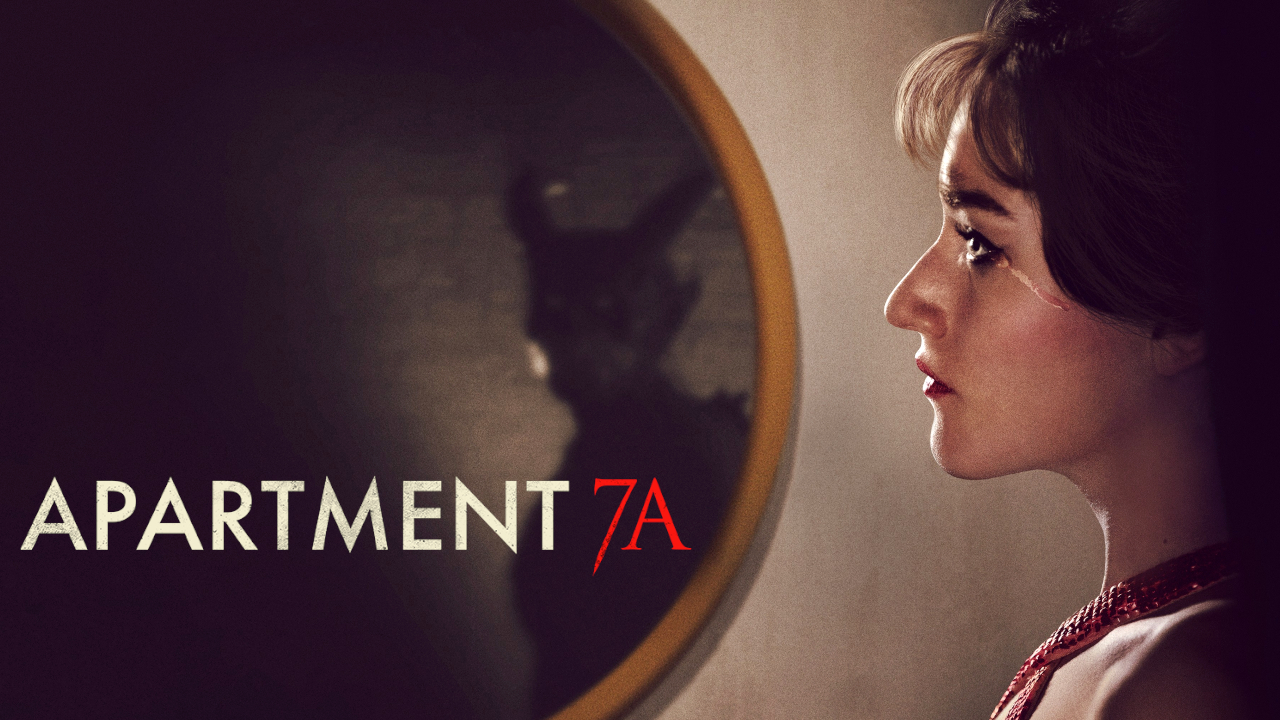
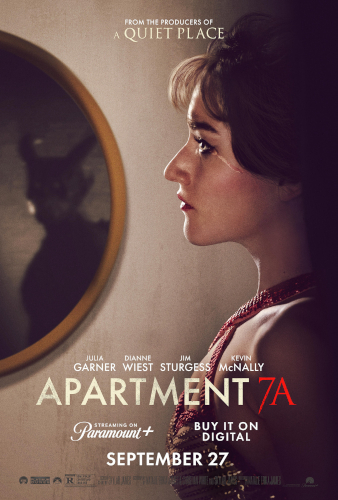
 Apartment 7A is a 2024 supernatural horror movie filled with dread and dark surprises. Horror Brains dives deep into its shadows, breaking down what works, what fails, and delivering a final verdict.
Intro
Apartment 7A slips into the bloodstream quietly, dressed in elegance, ambition, and the soft glow of mid-century New York. What begins as a period psychological drama slowly tightens into something far more suffocating, where opportunity and manipulation become indistinguishable. The film understands the power of restraint, letting unease accumulate through glances, silences, and spaces that feel too carefully curated to be safe. Every corridor and conversation hints at control masquerading as generosity. Horror Brains approaches this as a deliberate descent, where dread grows not from spectacle but from the realization that success, when offered too easily, often arrives with unseen hooks buried deep beneath polished floors and smiling faces.
Plot in Brief
In 1960s New York, a young dancer sidelined by injury is taken in by a wealthy couple inside a storied apartment building, only to find her renewed opportunities entangled with memory loss, manipulation, and a hidden supernatural design.
What Works
A fearless blend of genres. Apartment 7A fuses psychological horror with supernatural unease in a way that feels seamless rather than showy. Paranoia anchors the narrative while unseen forces quietly shape events in the background. The film resists clear lines between mental collapse and external influence, allowing both to coexist and reinforce one another. This ambiguity becomes its strength, keeping tension alive without spelling out its rules.
Performances that cut deep. Julia Garner carries the film with a performance built on fragility and resolve, capturing the slow erosion of agency without resorting to melodrama. Dianne Wiest exudes warmth laced with control, her kindness never quite reaching the eyes. Kevin McNally adds institutional weight, embodying authority that feels inherited rather than earned. Together, the cast turns subtle gestures into psychological pressure.
Atmosphere so thick it drips. The film’s atmosphere is steeped in velvet shadows and claustrophobic elegance. Soft lighting and meticulous production design turn luxury into a trap, while sound design amplifies isolation through quiet footsteps and lingering echoes. Horror Brains recognizes atmosphere as the film’s primary weapon, transforming an opulent setting into a place where comfort feels staged and danger feels patient.
Themes that resonate. At its core, the story examines ambition as a vulnerability. Success is dangled like salvation, only to reveal the cost of surrendering autonomy. The film explores how systems exploit desperation, particularly within creative industries, framing control as opportunity. Trauma, memory, and consent intertwine, forming a portrait of power that is seductive precisely because it hides behind generosity.
Cultural depth. Set against a meticulously recreated 1960s backdrop, the film reflects an era where appearances dictated survival. Gendered power dynamics, artistic gatekeeping, and social hierarchy are woven into the horror itself. The building becomes a symbol of institutional dominance, echoing cultural anxieties about who controls access to success and who is expected to pay for it in silence.
What Fails
Pacing in the middle act. The film’s commitment to restraint occasionally works against momentum. The central stretch lingers on mood at the expense of escalation, repeating beats of unease without significantly deepening them. While thematically consistent, this section risks dulling tension before the narrative sharpens again toward its conclusion.
Accessibility for casual viewers. Apartment 7A demands patience and attentiveness, offering little hand-holding. Its reliance on implication over explanation may frustrate viewers expecting clearer answers or overt supernatural mechanics. The film prioritizes mood and metaphor, which can limit engagement for audiences unfamiliar with slow-burn psychological horror.
Uneven tone at times. A few transitions between psychological realism and supernatural suggestion feel abrupt, momentarily disrupting immersion. While the tonal shifts are intentional, they occasionally lack smooth escalation, creating moments where the film feels caught between understatement and revelation rather than fully committing to either.
Final Verdict
Apartment 7A stands as a measured, unsettling horror experience that favors control over chaos. Its strengths lie in atmosphere, performance, and thematic intent, even as its pacing and opacity test patience. This is not a film designed to shock, but to unsettle through implication and power dynamics that feel uncomfortably familiar. Horror Brains views it as a thoughtful, imperfect descent into ambition and manipulation, rewarding viewers willing to engage with its quiet menace and trust that the walls are always listening.
Horror Brains Score