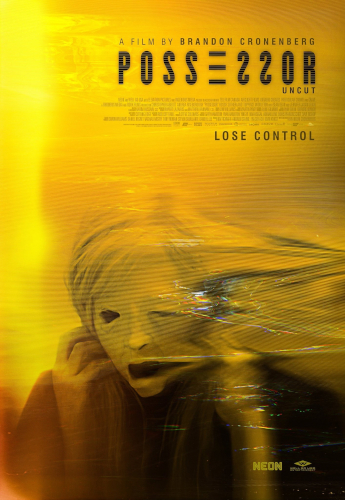
 Possessor is a 2020 body horror movie filled with dread and dark surprises. Horror Brains dives deep into its shadows, breaking down what works, what fails, and delivering a final verdict.
Intro
From its opening moments, Possessor establishes itself as a cold, invasive descent into the fragility of identity. Brandon Cronenberg crafts a film that fuses technological horror with psychological disintegration, where control over the body becomes a weapon and the mind is no longer a safe place to hide. Horror Brains recognizes a work that doesn’t aim to comfort or explain—it destabilizes. The premise alone is disturbing, but the execution pushes it further, blurring the line between self and host in ways that feel both clinical and deeply personal. This is horror that lingers under the skin, forcing a confrontation with what remains when identity begins to fracture.
Plot in Brief
A corporate assassin uses advanced neural technology to inhabit other people’s bodies and execute targets, but repeated immersion begins to erode her sense of self as control slips and resistance grows within her hosts.
What Works
A fearless blend of genres. Possessor merges body horror with psychological tension and dystopian science fiction, creating a narrative that feels both grounded and abstract. It thrives on discomfort, refusing to simplify its ideas or soften its edges. The film leans fully into its premise, allowing violence and identity to intertwine in unsettling ways. Horror Brains highlights how its commitment to complexity gives it a distinct voice, standing apart from more conventional genre entries.
Performances that cut deep. Andrea Riseborough delivers a precise and unsettling performance, shifting between detachment and unraveling instability as her character loses control. Christopher Abbott becomes both vessel and battleground, embodying the struggle between identities with physical and emotional intensity. Their performances anchor the film’s more abstract elements, ensuring that even its most disorienting moments remain grounded in human conflict.
Atmosphere so thick it drips. Every element of Possessor is designed to disorient. The visual palette, the fragmented editing, and the suffocating sound design create a sense of constant unease. Scenes stretch and distort, pulling the viewer deeper into a world where reality feels unstable. The film’s atmosphere is oppressive by design, trapping the audience in the same psychological space as its characters.
Themes that resonate. Identity, control, and the erosion of self sit at the core of the film. It explores the consequences of treating the human body as a tool, raising questions about autonomy and the boundaries of consciousness. These themes are not presented as abstract concepts but as lived experiences, unfolding through the characters’ gradual loss of control. The result is a narrative that feels disturbingly relevant in a world increasingly shaped by technology.
Cultural depth. Possessor avoids direct commentary, instead presenting a world that reflects broader anxieties about surveillance, exploitation, and the commodification of identity. Its restraint in explaining its world allows the ideas to linger, creating a more immersive and unsettling experience. Horror Brains recognizes how this ambiguity strengthens the film, inviting interpretation rather than dictating it.
What Fails
Pacing in the middle act. The film’s deliberate pacing occasionally works against it, particularly in the middle stretch where momentum slows. Certain sequences feel extended beyond necessity, causing the tension to dip before the narrative regains focus.
Accessibility for casual viewers. This is a demanding experience that offers little guidance or reassurance. Its abstract storytelling and uncompromising tone may alienate viewers expecting a more straightforward narrative. The film requires attention and patience, limiting its accessibility.
Uneven tone at times. While largely controlled, the film occasionally struggles to balance its visceral horror with its more abstract, metaphorical elements. Some transitions feel abrupt, creating brief moments where the tone loses cohesion.
Final Verdict
Possessor is a disturbing and uncompromising exploration of identity and control, delivering a horror experience that prioritizes impact over accessibility. Horror Brains places it among the most striking entries in modern body horror, driven by bold direction and committed performances. Its flaws in pacing and tonal balance do little to diminish the overall effect, as the film’s ideas and imagery linger long after it ends. This is not easy viewing, but it is effective—an unsettling descent into a world where the line between self and other no longer exists.
Horror Brains Score